



























Within’ all of the cultures they all have the top dishes that also have revolved all around the world for Christmas.
There are many Christmas dishes that most know of but also know nothing of.
Number 1. being Roast turkey
Roast turkey anchors Christmas dinner across many cultures. This large bird, often weighing 12 to 20 pounds, serves
as the centerpiece of the meal. Everything else is built around it: rich gravies, buttery stuffing, and roasted vegetables.
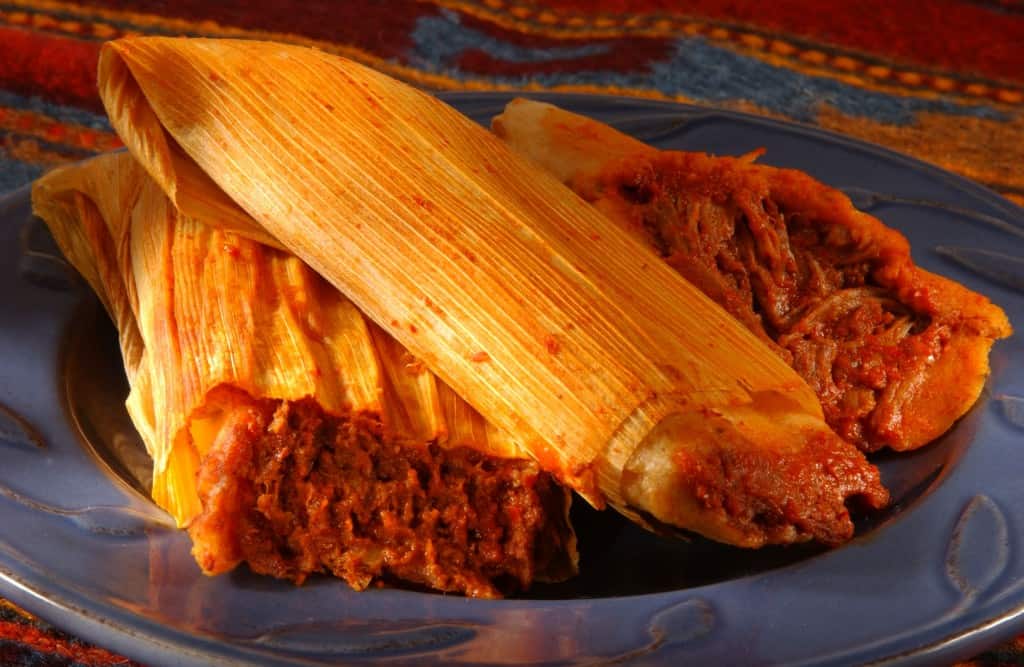
Number 2. being Tamales
Tamales are soft corn dough wrapped in corn husks and steamed with flavorful fillings. They represent a beloved part
of Christmas in Mexico and much of Latin America. The preparation itself is part of the celebration, as families gather
for tamaleras. In these day-long gatherings, generations share stories, laughter, and the work of making hundreds of
tamales by hand.
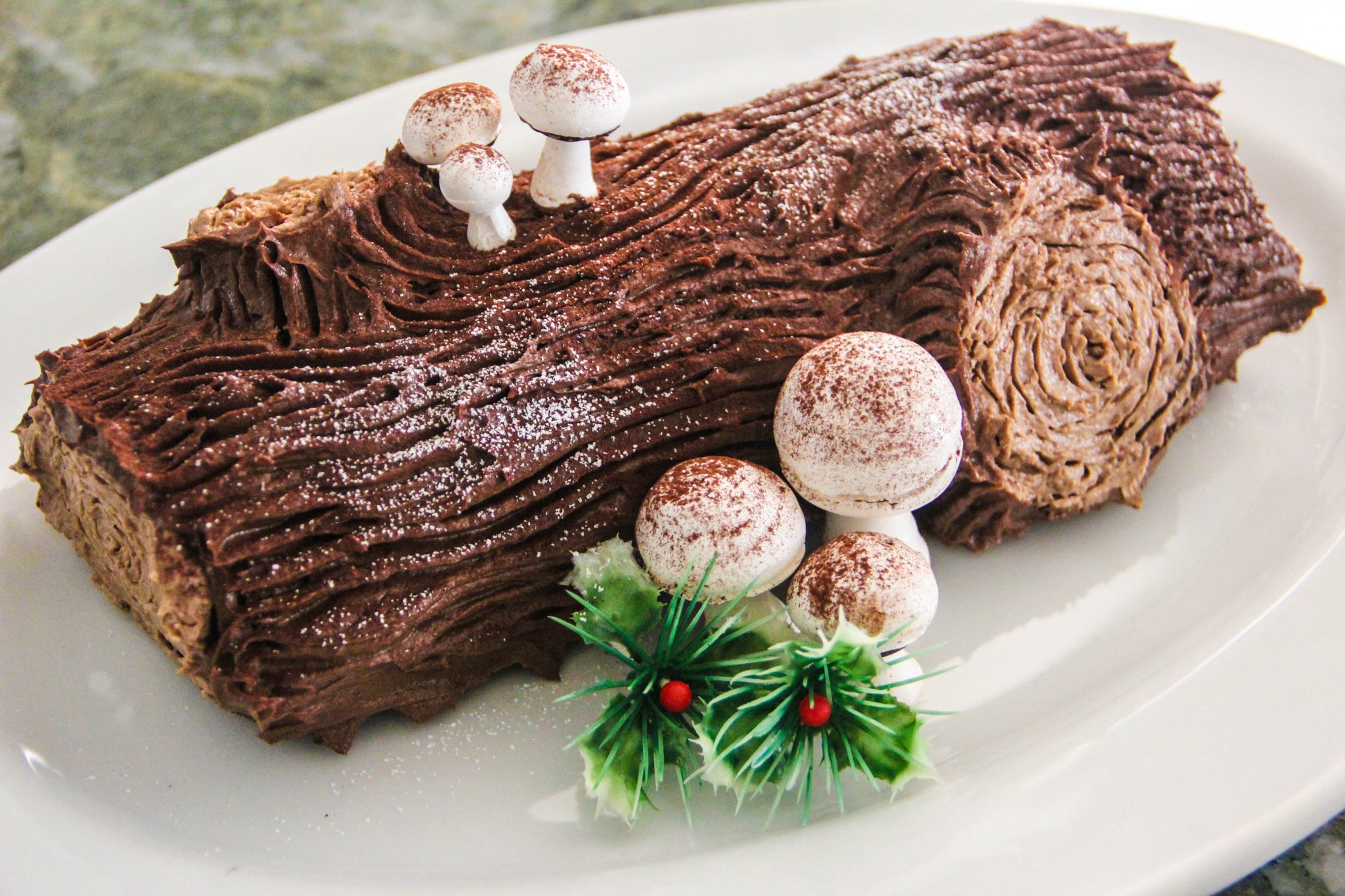
Number 3. being Bûche de Noël
This dish is the bûche de Noël, or Yule log cake, is one of France and Switzerland’s most charming holiday traditions.
Inspired by the centuries-old practice of burning a log in the hearth on Christmas Eve to bring warmth and luck, this
dessert turns that symbol into something edible.
Number 4. being Stollen
Stollen is a rich, fruit-studded bread dusted generously with powdered sugar, baked across Germany during the
Christmas season. Its dense texture and buttery crumb are often packed with:
- Dried fruits (raisins, currants, candied citrus peel)
- Almonds or marzipan filling
- Warm spices (cardamom, cinnamon, nutmeg)

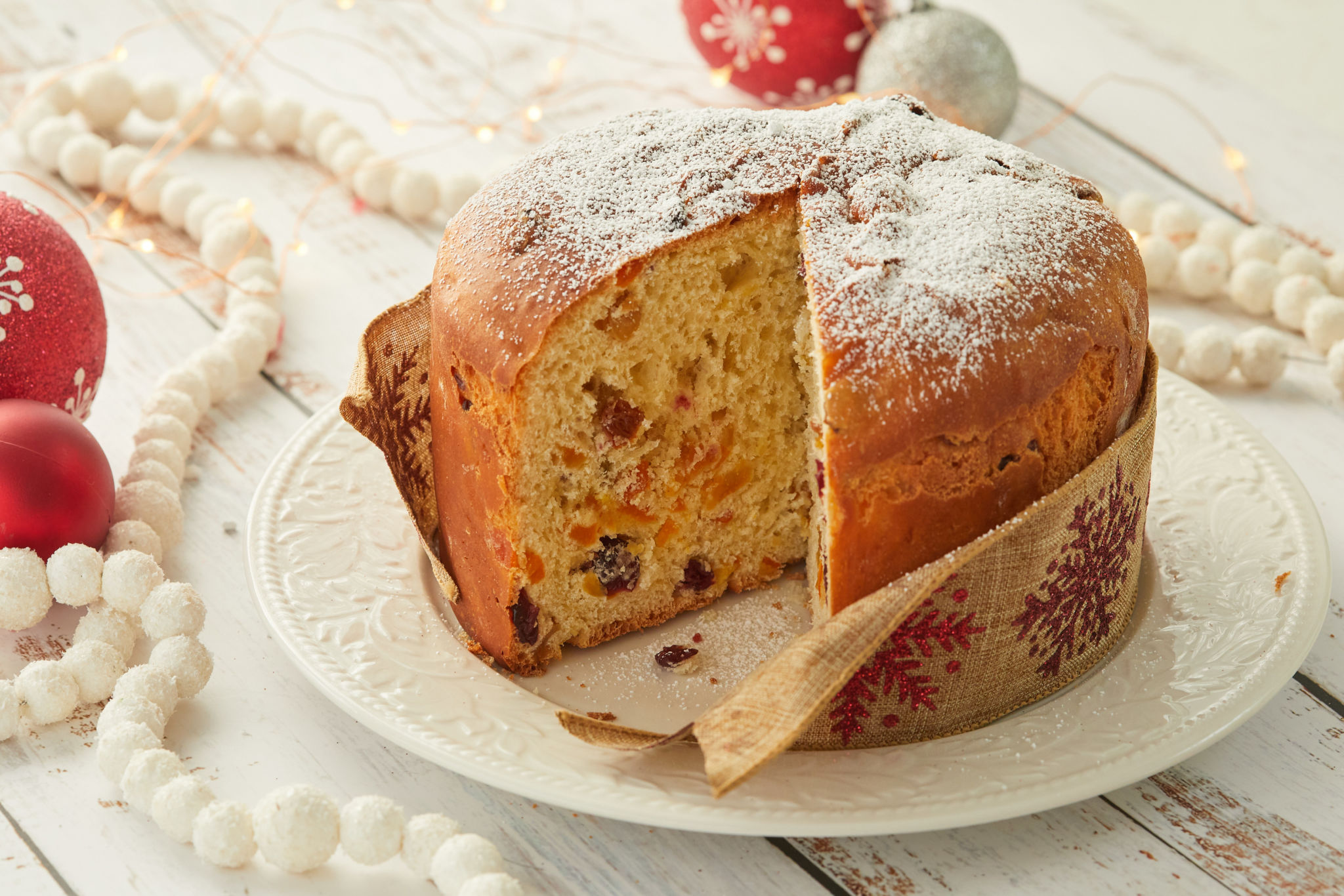
Number 5. being Panettone
Panettone is Italy’s version of festive bread. It’s a tall, dome-shaped loaf with a soft, airy crumb and golden crust.
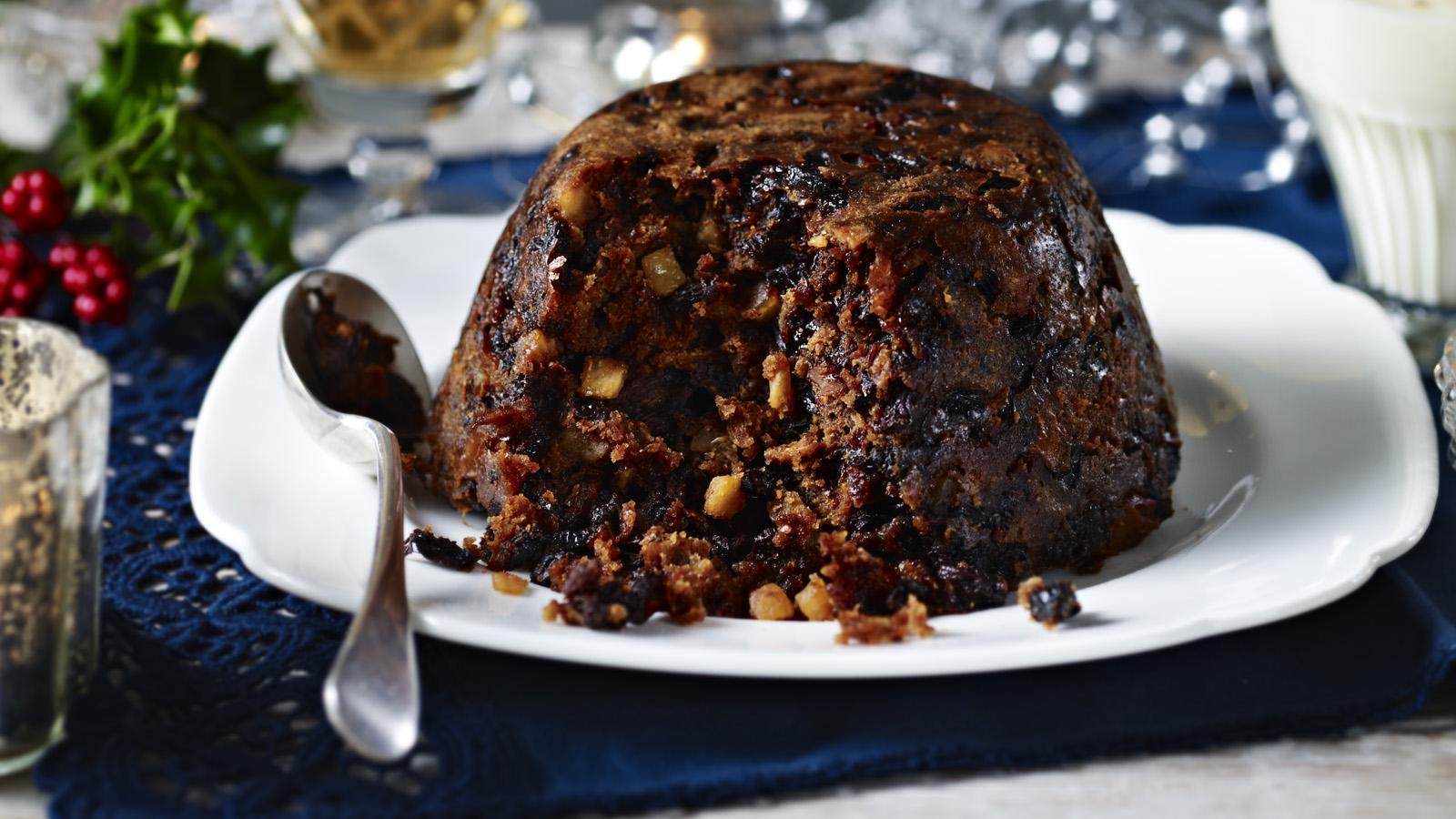
Number 6. being Christmas pudding
Christmas pudding is one of Britain’s most cherished holiday desserts, rich with spice and fruit. Also known as plum
pudding, it’s traditionally made weeks or even months before Christmas so the dried fruits can soak in brandy or rum
and the flavors can deepen with time. Despite the name, it contains no actual plums. The reason behind it is that in
medieval England, “plum” was simply another word for dried fruit.
Making the pudding is often a family tradition: everyone takes a turn stirring the thick batter and making a wish,
and some cooks still slip a coin inside for luck. On Christmas Day, it’s steamed again, splashed with warm brandy,
and carried proudly to the table in flames.
Number 7. being Christmas ham
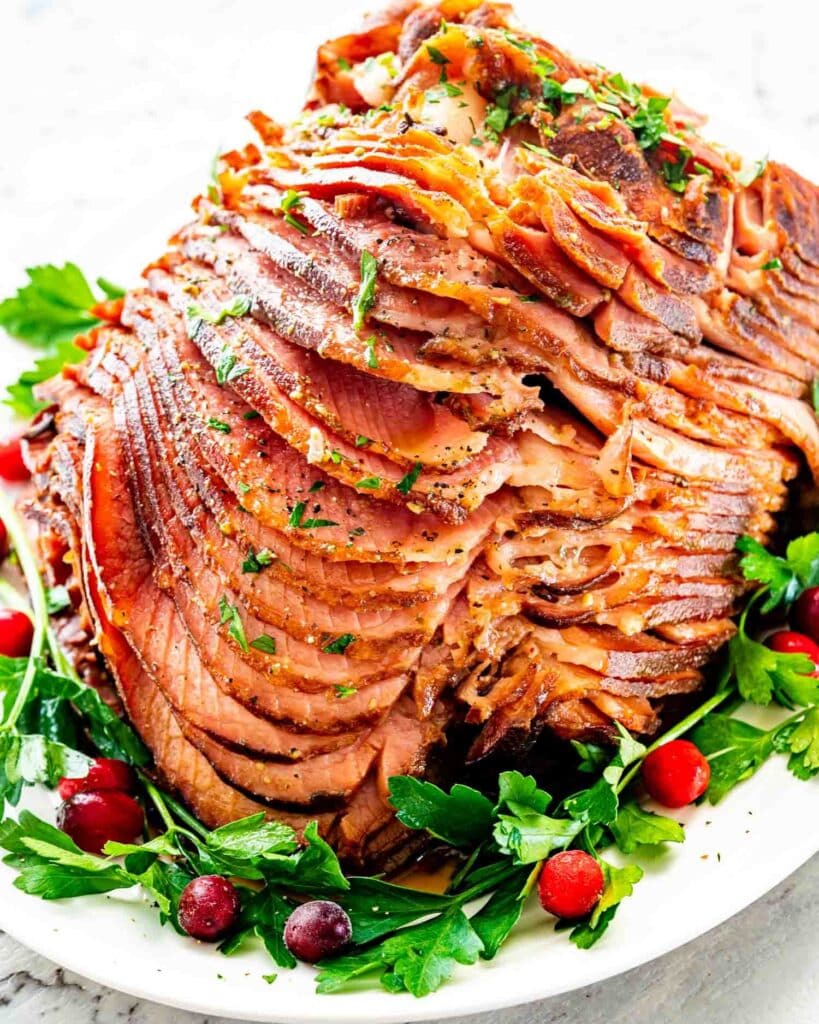
Glazed Christmas ham often appears on holiday tables across the United States and Scandinavia. The tradition of
serving ham for Christmas dates to pre-refrigeration times when pork was preserved in the fall and ready to eat by
December. Nowadays, ham serves as either the main protein or a secondary option alongside turkey.
What makes Christmas ham shine—literally and figuratively—is its glaze, and every region adds its own flavorful twist.
Some of the most popular options include:
- Honey and Dijon mustard
- Brown sugar with cloves
- Maple syrup and bourbon
- Scandinavian mustard and rye breadcrumbs
Number 8. being Roast goose
Before turkey dominated Christmas tables, roast goose held the place of honor in Central European holiday feasts.
In Germany and Austria, that is still the case. This rich, fatty bird requires careful preparation to render the fat and
achieve crispy skin.
German and Austrian cooks traditionally stuff the cavity with apples, onions, and herbs to balance the richness.
The rendered goose fat is often saved and used throughout winter for cooking potatoes and other dishes.
:max_bytes(150000):strip_icc()/Roast-Goose-with-Crispy-Skin-FT-RECIPE0923-839dbfbf81734f0eb27b099a82c7f936.jpg)
Number 9. being Pavlova
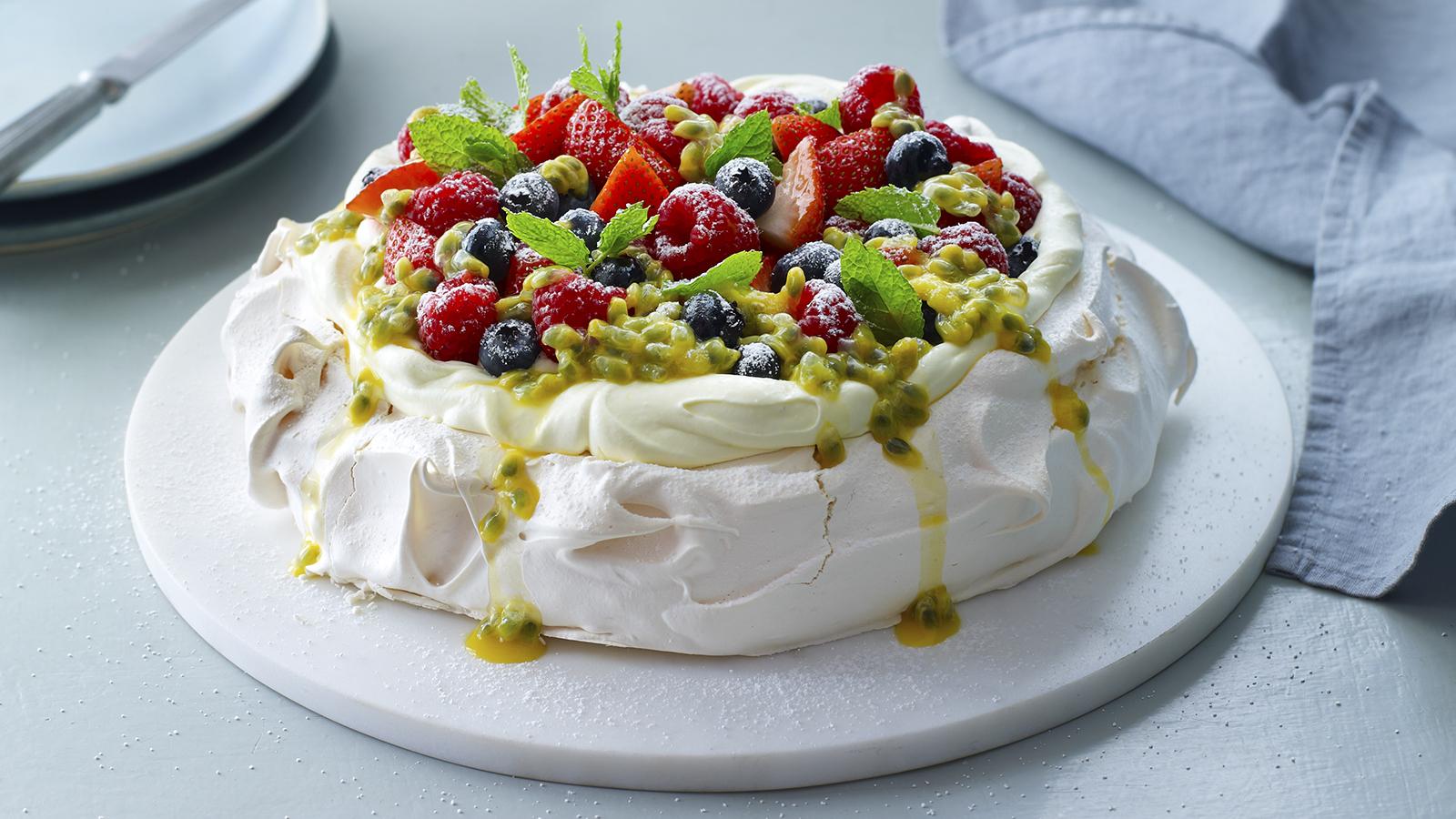
With its crisp shell and soft, marshmallow center, pavlova is a perfect match for summer Christmas celebrations
in Australia and New Zealand. The dessert is topped with clouds of whipped cream and a vibrant mix of tropical fruits.
It brings freshness to the holiday table while keeping things light in the heat.
Number 10. being Gingerbread cookies
From smiling gingerbread men to intricate candy-covered houses, few baked goods feel more synonymous with
Christmas than gingerbread. These spiced cookies, molded, cut, and often lavishly decorated, are a cherished tradition
across Europe and North America.
The roots of gingerbread stretch back to medieval Europe, where bakers shaped the dough into animals, saints, and
intricate patterns for winter fairs. This practice lives on in places like Germany’s Weihnachtsmärkte (Christmas markets),
where ornate cookies still hang from stalls and tree branches alike. The dough is rich with molasses and warming spices like ginger,
cinnamon, and cloves. Once rolled and cut, the cookies become a blank canvas for creativity. Families of all ages come together to
decorate. For many, it’s as much about the shared experience as it is about the finished treat.
![The Perfect Soft Gingerbread Cookies [Easy Recipe!] - Savory Nothings](https://www.savorynothings.com/wp-content/uploads/2014/11/gingerbread-cookies-image-6-768x1152.jpg)
