























Marine Animals:
The critical endangerment of marine animals is a pressing issue that requires immediate attention and action. Here are some of the most critical endangered marine species and the threats they face.
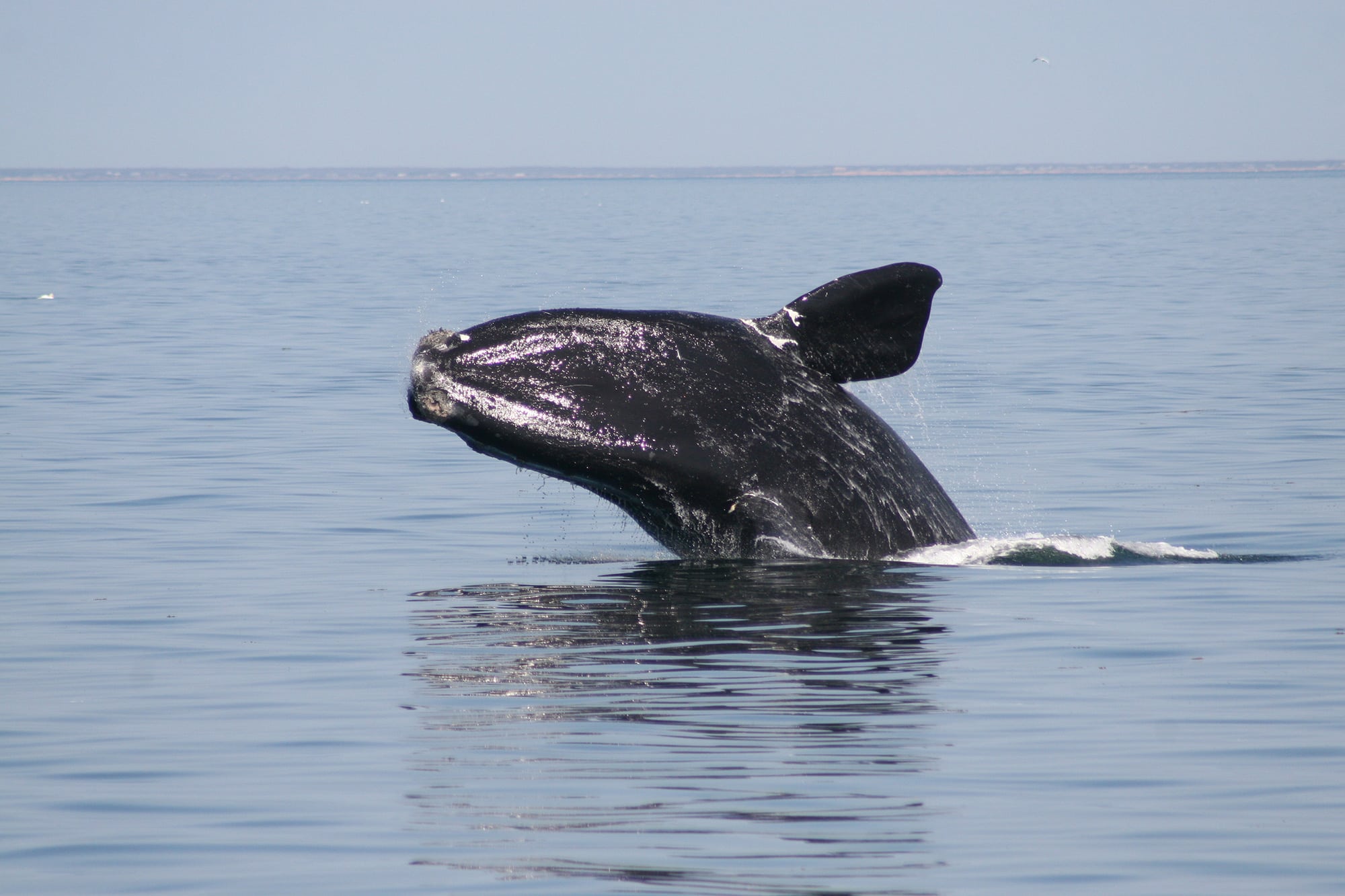
North Atlantic Right Whale: With fewer than 350 individuals remaining, this species is critically endangered due to vessel strikes and entanglement in fishing gear. This animal is vital part of the marine ecosystem. Playing in the crucial role in maintaining one’s health within the ecosystem of the ocean.
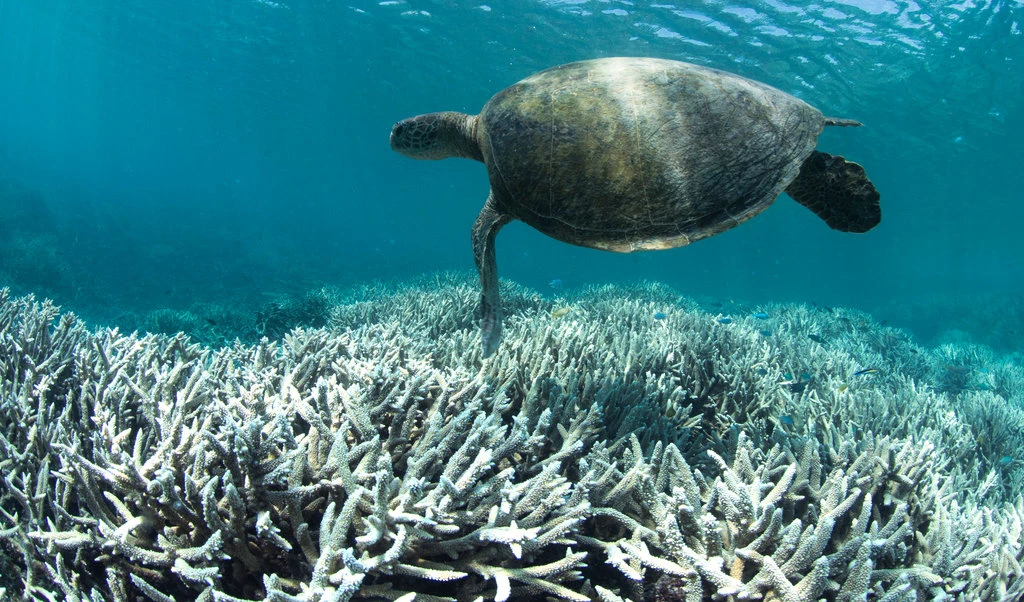
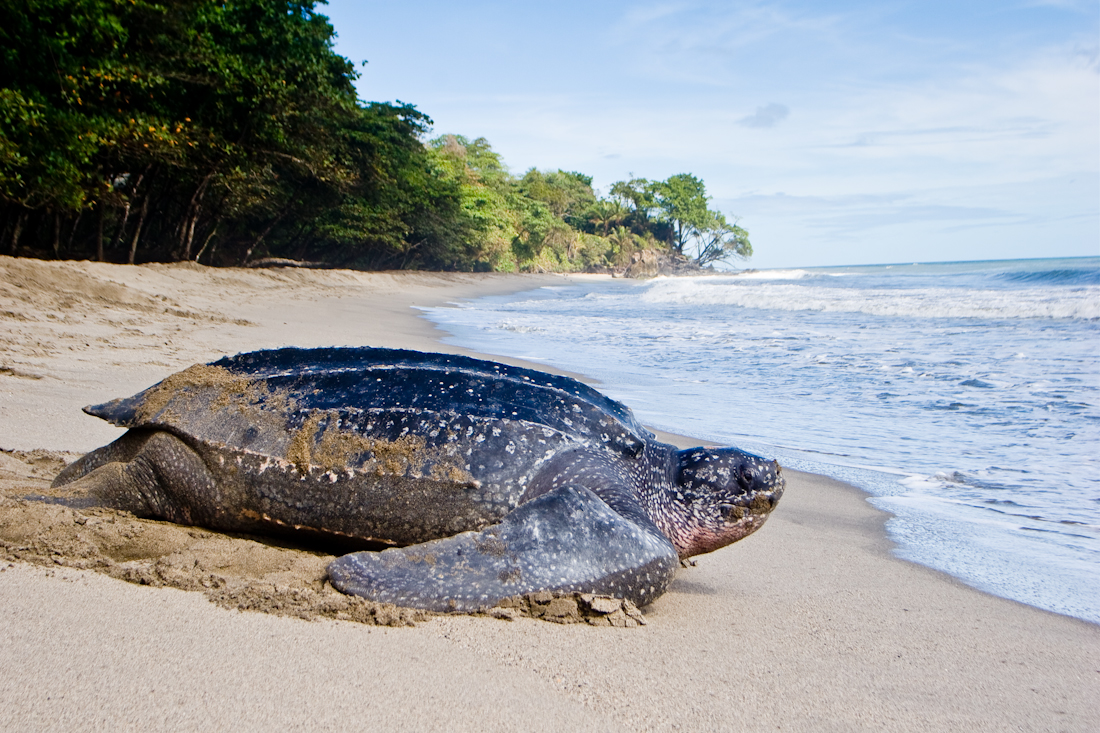
Leatherback Turtle: The largest sea turtle species, the leatherback has experienced a devastating 95% decline in its Pacific population over the past three decades. The leatherback turtle’s role within’ the ecosystem its role is controlling the population of the jellyfish community, so the animals don’t override one another.
The Great Hammerhead: Vulnerable due to overfishing for fins and slow reproductive rates. The Great hammerhead’s role in the marine ecosystem is to be apex predators and to rule down the animals of many populations, like smaller rays and schools. And if we didn’t have these animals, we would have overruling marine animals. Not having equality, but with equality well that’s how they live perfectly. 200 Left.
/s3/static.nrc.nl/images/originals/2014/08/19/1908nntvhammer.jpg)
Land Animals:
Amur Leopard
The Amur leopard, one of the eight leopard subspecies, takes the title of the most endangered big cat in the world with only around 130 left in the wild and around 200-300 left in captivity. Amur leopards face the threats of habitat loss, human-driven climate change, poaching, and inbreeding. (due to their small population) Amur Leopards are the apex predators of the Primorye regions of Southeastern Russia. As an apex predator, they are important to the food chains balance and their ecosystem, also allowing for growth in biodiversity. The amur leopard is also an indicator species meaning if anything is wrong in their ecosystem, it will show through them. Conservation efforts currently in effect to help save these leopards from extinction include habitat protections and restorations, breeding programs, and anti-poaching laws and other policies.
Amur leopard fun fact: Amur leopards have to compete with Siberian tigers for prey!
Tigers

Of the 9 subspecies of tiger, only six remain, and those six are still all critically endangered species. The six-remaining subspecies of tiger include: Bengal tigers, Siberian tigers, Indochinese tigers, Malayan tigers, South China tigers, and Sumatran tigers. The three extinct species of tiger include: Bali tigers, Javan tigers, and Caspian tigers. Tigers face the threats of poaching, habitat loss, human-driven climate change, and human-wildlife conflict. Tigers are the apex predators of their habitats too, meaning that they are crucial for keeping prey populations stable. Being the apex predator, they too bring biodiversity to their ecosystems. Tigers also leave behind the carcasses of their prey feeding scavengers and decomposers. Conservation efforts currently in effect to help save these tigers from extinction include habitat protections and restorations, anti-poaching laws and other policies, human-wildlife conflict mitigation, and breeding programs.
Tiger fun fact: Tigers like water and are excellent at swimming!
Red Wolf

The red wolf, one of the 38 subspecies of wolf, is the most endangered species of canine with only around 20 wolves left in the wild and around 300 left in captivity. Red wolves face the threats of hybridization with coyotes, habitat loss, vehicle collisions, illegal shootings, human-driven climate change, and due to their small population, the threat of genetic bottleneck. Red wolves are native to the Southeastern and South-central United States. Red wolves are predators in their environment, meaning that they contribute by keep prey populations stable. They also keep coyotes in check and feed the scavengers and decomposers in their environment. Conservation efforts in effect to help save these wolves from extinction include breeding programs, habitat protections and restorations, and laws/policies aimed to help protect them.
Red wolf fun fact: Red wolves once had a range from Texas to Pennsylvania!
Cozumel Fox
The Cozumel fox is among one of the 23 species and 47 subspecies of fox. The amount of these foxes left in the world remains unknown. Cozumel foxes face the threats of habitat loss, being hunted by humans or predators, diseases, parasites, and possibly inbreeding. Cozumel foxes are native to the Island of Cozumel in Mexico. Cozumel foxes are especially good for rodent population control, also being good for controlling the population of other smaller prey. Due to how little is known about Cozumel foxes, not many if any efforts for conservation have been put in place.
Cozumel fox fun fact: Cozumel foxes are smaller dwarf foxes!
Sportive Lemur
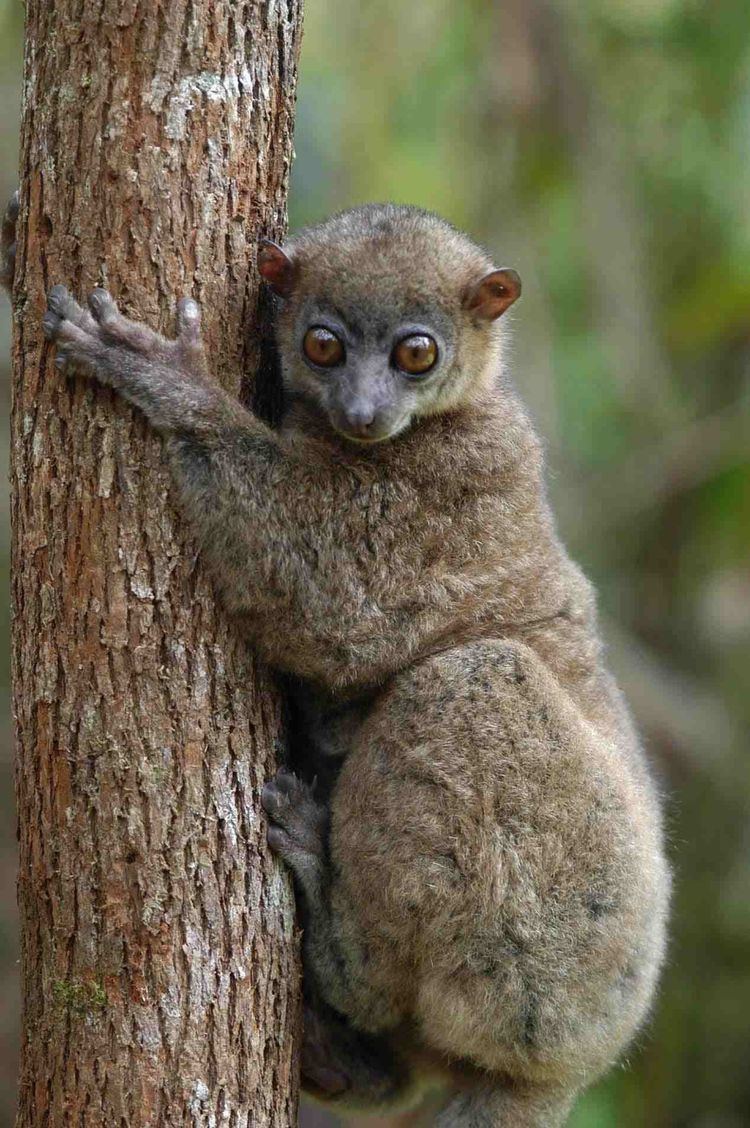
The sportive lemur is one of the approximate 100 species and subspecies of lemur. There are only 20 sportive lemurs remaining in the wild with the number in captivity unknown. Sportive lemurs face the threats of habitat loss, human hunting, and predation. Sportive lemurs are native to the rainforests in Madagascar. When sportive lemurs eat, they often scatter seeds around, ensuring that more vegetation grows. They also play an important role in the food chain as prey. Conservation efforts in place to help protect these lemurs from extinction include habitat protections and restorations and breeding programs.
Sportive lemur fun fact: Sportive lemurs’ diets sometimes include toxic leaves!
Principe Scops Owl
The Principe scops owl is one of the 254 species and subspecies of owl. There are approximately 1,000-1,500 of these owls left in the wild and captivity. Principe scops owls face the threats of habitat loss, invasive species, human activities, and human-driven climate change. The Principe scops owl is native to the Principe Island. Principe scops owls are good for keeping insect populations in control and play the important role in the food chain as prey. Conservation efforts in place to help protect the Principe scops owl from extinction include habitat protections and restorations.
Principe scops owl fun fact: The Principe scops owl is the only owl on the Principe Island!
Riverine Rabbit
The riverine rabbit is one of the 29 species of rabbits. The riverine rabbit only has a population consisting of around 500 rabbits left in the wild with around 200 in captivity. The riverine rabbit faces the threats of habitat loss, human hunting, predation, disease, and inbreeding. Riverine rabbits are native to the Karoo region of South Africa. Riverine rabbits contribute to their environments with their grazing that aids in soil stabilization and even filtration of the rivers they graze around. Conservation efforts in place to help protect the riverine rabbit from extinction include habitat protections and restorations, predator control, and anti-poaching laws and other policies.
Riverine rabbit fun fact: The riverine rabbit is the only African rabbit that bears its young underground!
African Forest Elephant

The African forest elephant is one of the 3 species of elephants, also being the most endangered of the three. There are an estimated 135,690 African forest elephants left in the wild and in captivity. African forest elephants face the threats of being poached, habitat loss, and human-wildlife conflict. African forest elephants are native to the tropical rainforests of West Africa. African forest elephants contribute to their environment by shaping their environments landscapes, cycling nutrients, and creating waterholes. Conservation efforts in place to help protect the African forest elephant from extinction include anti poaching laws and other policies, habitat protections and restorations, and breeding programs.
African forest elephant fun fact: African elephants can live up to 80 years!
…
….